Real estate investment potential in urban areas sets the stage for lucrative opportunities and promising returns in the bustling urban landscape. As investors navigate through the dynamic realm of urban real estate, the potential for growth and profitability becomes increasingly evident.
From residential properties to commercial spaces, the urban environment presents a myriad of investment options that cater to diverse investor preferences and financial goals. Exploring the factors that contribute to the allure of urban areas for real estate investment sheds light on the strategic decisions and foresight required to thrive in this competitive market.
Real Estate Investment Potential in Urban Areas
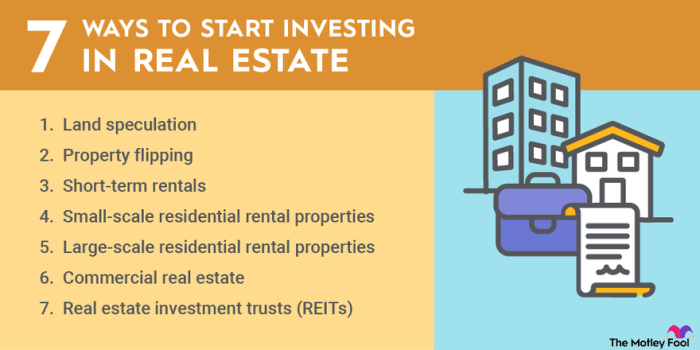
Urban areas continue to be a hotspot for real estate investment, with a range of factors contributing to their attractiveness for investors. The current trends in real estate investment in urban areas reflect a growing demand for properties in city centers, driven by a desire for convenience, access to amenities, and potential for high returns on investment.
Factors Making Urban Areas Attractive for Real Estate Investment
Urban areas offer a unique combination of factors that make them highly appealing for real estate investment:
- Location: Urban areas are often situated in prime locations with access to transportation, employment opportunities, entertainment, and cultural attractions.
- Population Density: The high population density in urban areas translates to a higher demand for housing and commercial spaces, making them lucrative investment options.
- Infrastructure: Urban areas are typically well-equipped with infrastructure such as roads, public transportation, and utilities, enhancing the quality of life for residents and attracting investors.
- Growth Potential: Urban areas are hubs of economic activity and innovation, providing ample opportunities for growth and development in the real estate sector.
Comparison of Investment Potential Between Property Types in Urban Areas
When it comes to real estate investment in urban areas, different types of properties offer varying levels of potential:
- Residential Properties: Residential properties in urban areas are in high demand, especially with the trend towards urban living. Investing in apartments, condos, or townhouses can yield steady rental income and appreciation in value.
- Commercial Properties: Commercial properties such as office buildings, retail spaces, and mixed-use developments are attractive for investors looking for higher returns and long-term tenants. The demand for commercial spaces in urban areas remains strong, driving up rental prices and property values.
- Industrial Properties: Industrial properties in urban areas cater to businesses requiring manufacturing, warehousing, or distribution facilities. While industrial properties may have lower rental yields compared to residential or commercial properties, they offer stable and consistent income streams for investors.
Financial Foresight and Real Estate Investment
Investing in real estate is not just about the present; it also involves looking into the future with financial foresight. This means having a clear understanding of potential risks, rewards, and market trends that could impact the long-term success of your investments.Financial foresight plays a crucial role in real estate investment as it helps investors make informed decisions that can maximize profitability and minimize risks.
By analyzing market data, economic indicators, and future development plans, investors can anticipate changes in property values and rental income, allowing them to adjust their investment strategies accordingly.
The Impact of Financial Foresight on Long-Term Real Estate Investments
- Anticipating Market Trends: By analyzing historical data and current market conditions, investors can predict future trends in property prices and rental rates. This foresight allows them to invest in properties that are likely to appreciate in value over time.
- Risk Mitigation: Financial foresight enables investors to identify potential risks such as economic downturns, changes in government policies, or market saturation. By diversifying their portfolio and having contingency plans in place, investors can protect their investments from unforeseen events.
- Optimizing Cash Flow: With financial foresight, investors can project the cash flow generated by their properties and make strategic decisions on financing, property management, and rental rates. This foresight helps investors maximize their profits and achieve long-term financial stability.
Incorporating Financial Foresight into Real Estate Investment Strategies
“The best investment you can make is an investment in yourself… The more you learn, the more you’ll earn.” – Warren Buffett
To incorporate financial foresight into real estate investment strategies, investors should:
- Conduct Thorough Market Research: Stay informed about local market trends, economic indicators, and upcoming developments that could impact property values.
- Develop a Long-Term Investment Plan: Set clear goals and objectives for your real estate investments, considering factors such as risk tolerance, cash flow requirements, and exit strategies.
- Seek Professional Advice: Consult with financial advisors, real estate agents, and property managers to gain valuable insights and expert guidance on investment opportunities.
Retirement Planning and Real Estate Investment
Real estate investment plays a crucial role in retirement planning, offering a stable and potentially lucrative option for building wealth over time. As individuals approach retirement age, diversifying their investment portfolio to include real estate can provide a reliable source of income and asset growth.
Utilizing Real Estate Properties in Retirement Portfolio
Real estate properties can be utilized in a retirement portfolio in various ways. One common strategy is to invest in rental properties, generating rental income that can supplement retirement funds. Additionally, owning real estate can provide a hedge against inflation and market fluctuations, as property values tend to appreciate over time.
Moreover, real estate investments offer tax advantages, such as deductions for mortgage interest and property taxes, which can enhance overall returns.
Benefits of Real Estate Investment vs. Traditional Retirement Plans
When comparing real estate investment with traditional retirement plans like 401(k)s or IRAs, several key benefits stand out. Real estate investments have the potential for higher returns compared to traditional investment vehicles, especially in a growing urban market. Additionally, real estate offers a tangible asset that can be leveraged for additional income or equity.
Unlike stock market investments, real estate typically provides more stability and less volatility, making it an attractive option for retirement planning. Overall, incorporating real estate into a retirement portfolio can offer diversification, income stability, and long-term growth potential, making it a valuable component of a comprehensive retirement plan.
Succession Planning and Real Estate Investment
Real estate investments can play a crucial role in succession planning, ensuring that assets are passed down to future generations in a strategic and organized manner. By incorporating real estate into succession plans, individuals can not only provide for their heirs but also potentially create a lasting legacy for their family.
Strategies for Passing Down Real Estate Assets
- Establish a clear plan: Artikel how the real estate assets will be distributed among heirs, taking into account factors such as ownership percentages, management responsibilities, and tax implications.
- Create a trust: Setting up a trust can help protect real estate assets from probate and ensure a smooth transfer of ownership to beneficiaries.
- Educate heirs: It is essential to educate future generations about the value of real estate investments, as well as the responsibilities that come with owning and managing these assets.
- Consider gifting properties: Transferring ownership of properties as gifts during your lifetime can be a tax-efficient way to pass down real estate assets to heirs.
Challenges and Benefits of Incorporating Real Estate into Succession Plans
- Challenges:
- Complexity: Real estate assets can be complex to manage and distribute, especially if there are multiple properties or stakeholders involved.
- Tax implications: Inheritance and estate taxes can significantly impact the value of real estate assets passed down to heirs.
- Familial disputes: Disagreements among family members regarding the handling of real estate assets can create challenges in the succession planning process.
- Benefits:
- Generational wealth: Real estate investments can help build generational wealth, providing financial security for future generations.
- Diversification: Including real estate in a succession plan can diversify the family’s asset portfolio, reducing risk and enhancing overall financial stability.
- Leverage: Real estate assets can be leveraged to create additional income streams or opportunities for growth, benefiting both current and future heirs.
Prosperity Point and Real Estate Investment
Investing in real estate in urban areas requires a deep understanding of the local market dynamics and the factors that can drive growth and prosperity. One key concept to consider is the idea of a “prosperity point,” which signifies an area with high potential for economic development and increased property values.Identifying potential prosperity points in urban areas is crucial for making successful real estate investment decisions.
These points can be recognized through various indicators such as infrastructure development, job creation, population growth, and the presence of amenities like schools, hospitals, and shopping centers. Additionally, areas undergoing revitalization projects or gentrification are often considered potential prosperity points due to the expected increase in property values.Considering prosperity points in real estate investment decisions is significant because it allows investors to capitalize on the growth potential of an area.
By investing in properties located in or near prosperity points, investors can benefit from higher rental yields, property appreciation, and overall profitability. Moreover, these investments are less risky compared to properties in stagnant or declining areas, as the demand for real estate in prosperity points is likely to remain strong.
Identifying Prosperity Points in Urban Areas
- Look for areas with ongoing or planned infrastructure projects such as new transportation hubs, highways, or public facilities.
- Research the local economy and job market to identify areas with high employment rates and growing industries.
- Consider neighborhoods with a rising population and a diverse range of demographics, indicating increasing demand for housing.
- Assess the quality of life in the area, including access to education, healthcare, entertainment, and green spaces.
- Monitor trends in property prices and rental yields to spot areas experiencing consistent growth and appreciation.
Finance and Investing Strategies in Real Estate
When it comes to real estate investment in urban areas, it’s crucial to have a solid finance and investing strategy in place. By understanding different financial tools, resources, and the importance of diversification, investors can maximize their returns and mitigate risks effectively.
Types of Finance and Investing Strategies
- Buy and Hold Strategy: This strategy involves purchasing a property and holding onto it for an extended period, allowing it to appreciate over time while generating rental income.
- Fix and Flip Strategy: Investors buy properties below market value, renovate them to increase their value, and then sell them for a profit in a short period.
- Rental Property Strategy: Investors purchase properties specifically for rental income, generating cash flow on a monthly basis.
Financial Tools and Resources for Real Estate Investors
- Mortgage Calculator: Helps investors calculate monthly payments and determine affordability for potential properties.
- Real Estate Investment Trusts (REITs): Allows investors to invest in real estate without directly owning properties, providing diversification and liquidity.
- Crowdfunding Platforms: Enables investors to pool their resources with others to invest in real estate projects, reducing individual risk.
Importance of Diversification in Real Estate Investment Portfolios
Diversification is key in real estate investing to spread risk across different properties, locations, and strategies. By diversifying your portfolio, you can protect yourself from market fluctuations and potentially increase overall returns. It’s essential to balance high-risk, high-return investments with more stable and income-producing assets to achieve a well-rounded portfolio.
Personal Finance Management and Real Estate Investment: Real Estate Investment Potential In Urban Areas
Investing in real estate can be a lucrative endeavor, but it requires careful financial planning and management to ensure success. Personal finance management skills play a crucial role in determining the outcomes of real estate investments. By effectively managing your finances, you can maximize the potential of your real estate investments and achieve your financial goals.
Tips for Integrating Real Estate Investment into Personal Finance Goals
- Set clear financial goals: Define your objectives and establish a plan to achieve them through real estate investments.
- Create a budget: Monitor your expenses and income to ensure that you have sufficient funds to invest in real estate.
- Build an emergency fund: Set aside money for unexpected expenses to avoid financial strain on your real estate investments.
- Understand your risk tolerance: Assess your willingness to take risks and tailor your real estate investment strategy accordingly.
- Diversify your investments: Spread your funds across different real estate properties to minimize risk and maximize returns.
Impact of Personal Financial Decisions on Real Estate Investment Outcomes
Personal financial decisions can significantly impact the success of your real estate investments. For example, poor budgeting may lead to insufficient funds for property maintenance or upgrades, ultimately reducing the value of your investment. On the other hand, effective financial management can help you leverage opportunities, expand your real estate portfolio, and generate substantial returns.
Banking Services for Real Estate Investment
Real estate investment often requires significant financial transactions, making banking services a crucial aspect of the process. By leveraging various banking services, real estate investors can streamline their investment activities and optimize their financial strategies.
Types of Banking Services for Real Estate Investors
- Property Financing: Banks offer various loan options specifically tailored for real estate investments, such as mortgage loans, construction loans, and refinancing options.
- Escrow Services: Using escrow services provided by banks can help ensure a secure transaction process, especially in complex real estate deals.
- Online Banking Platforms: Access to online banking platforms allows investors to manage their accounts, make payments, and track transactions conveniently from anywhere.
- Investment Property Insurance: Banks offer insurance products to protect investment properties from potential risks, providing peace of mind to investors.
Leveraging Banking Services for Efficient Real Estate Transactions
By utilizing banking services effectively, real estate investors can streamline their investment processes and enhance their financial management. For example, setting up automatic payments for mortgages can help maintain a good credit score and ensure timely payments. Additionally, using online banking tools for real-time monitoring of transactions and account balances can provide valuable insights for decision-making.
Financial Management in Real Estate Investment
Investing in real estate requires effective financial management to ensure maximum returns and mitigate risks. Let’s explore the key principles and strategies involved in managing finances for real estate investments.
Key Principles of Financial Management in Real Estate Investment
Financial management in real estate investment involves careful planning, monitoring, and controlling of financial resources to achieve investment objectives. Here are some key principles to keep in mind:
- Setting clear investment goals and objectives
- Creating a detailed budget and financial plan
- Regularly monitoring and evaluating financial performance
- Diversifying investments to reduce risk
- Maintaining adequate liquidity for unforeseen expenses
Financial Management Strategies for Maximizing Returns on Real Estate Investments
To maximize returns on real estate investments, consider implementing the following financial management strategies:
- Implementing cost-effective property maintenance and management practices
- Utilizing leverage through mortgages to increase investment potential
- Regularly reviewing and adjusting rental rates based on market trends
- Exploring value-add opportunities to increase property value
- Strategically timing property sales to capitalize on market upswings
Importance of Financial Management in Mitigating Risks Associated with Real Estate Investments
Effective financial management plays a crucial role in mitigating risks associated with real estate investments by:
- Ensuring adequate cash reserves for unexpected expenses or market downturns
- Conducting thorough due diligence and risk assessments before making investment decisions
- Implementing risk management strategies such as insurance coverage and diversification
- Maintaining a conservative debt-to-equity ratio to reduce financial leverage risks
- Regularly reviewing and adjusting investment strategies in response to changing market conditions
Financial Development Strategies for Real Estate Investment
Investing in real estate requires a solid financial foundation to ensure success and profitability. Financial development is crucial in expanding real estate investment portfolios and achieving long-term financial goals. Let’s explore the stages of financial development required for successful real estate investments and discuss tips for continuous financial growth in this context.
Stages of Financial Development for Real Estate Investment
- Establishing an Emergency Fund: Before diving into real estate investment, it’s essential to have an emergency fund in place. This fund can act as a safety net in case of unexpected expenses or vacancies in rental properties.
- Building a Strong Credit Score: A good credit score is key to securing favorable financing options for real estate investments. Make sure to pay bills on time, keep credit card balances low, and avoid opening multiple new accounts.
- Creating a Realistic Budget: Develop a detailed budget that Artikels your income, expenses, and investment goals. A budget will help you track your finances, identify areas for improvement, and allocate funds towards real estate investments.
Growing Financial Resources for Real Estate Investment
- Increasing Savings Rate: Boosting your savings rate is crucial for growing financial resources for real estate investments. Consider automating your savings, cutting unnecessary expenses, and finding additional sources of income.
- Diversifying Investment Portfolio: Diversification can help minimize risks and maximize returns in real estate investments. Explore different types of properties, locations, and investment strategies to expand your portfolio and increase financial resources.
- Reinvesting Profits: Instead of cashing out profits from real estate investments, consider reinvesting them to fuel further growth. Reinvesting profits can accelerate portfolio expansion, increase rental income, and build long-term wealth.
Tips for Continuous Financial Development in Real Estate Investment, Real estate investment potential in urban areas
- Stay Educated: Continuously educate yourself on real estate market trends, investment strategies, and financial planning. Attend seminars, read books, and seek advice from experienced investors to enhance your knowledge and skills.
- Network with Professionals: Build relationships with real estate agents, lenders, contractors, and other professionals in the industry. Networking can provide valuable insights, opportunities, and resources for financial development in real estate investment.
- Monitor and Adjust: Regularly monitor your financial progress, investment performance, and market conditions. Adjust your strategies, goals, and portfolio allocation as needed to adapt to changing circumstances and maximize financial growth.
Profit Paradigm in Real Estate Investment
Real estate investment is often seen as a way to generate passive income and build wealth over time. The profit paradigm in real estate investment refers to the strategies and principles investors use to maximize their returns on investment. Understanding this paradigm is crucial for making informed decisions and achieving financial success in the real estate market.
Different Approaches to Maximizing Profits
- Location, Location, Location: One of the key factors in maximizing profits in real estate is choosing the right location. Properties in high-demand areas with good amenities and infrastructure tend to appreciate faster and generate higher rental income.
- Renovation and Upgrades: Improving the condition of a property through renovations and upgrades can increase its value significantly. Investors can also charge higher rents for updated and modernized properties.
- Effective Property Management: Hiring a professional property manager can help investors maximize their profits by ensuring that rental properties are well-maintained, tenants are satisfied, and vacancies are minimized.
- Strategic Financing: Leveraging financing options such as mortgages and loans can help investors increase their purchasing power and acquire more properties, thereby increasing their potential for profits.
Influence of Profit Paradigm on Investment Decisions
When investors prioritize profit maximization, they are more likely to focus on properties with high appreciation potential, strong rental yields, and opportunities for value-add improvements.
Investors who understand the profit paradigm are better equipped to analyze market trends, assess risks, and make strategic decisions that align with their financial goals.
Financial Success and Real Estate Investment
Investing in real estate can be a key component of achieving financial success. The relationship between financial success and real estate investment outcomes is crucial to understand when developing investment strategies. By setting clear financial goals, individuals can pave the way for success in the real estate market.
Impact of Financial Success on Real Estate Investment Strategies
Achieving financial success can provide investors with the resources and confidence needed to take calculated risks in the real estate market. With a strong financial foundation, investors may be more willing to explore new opportunities, diversify their portfolio, and pursue larger real estate projects.
Additionally, financial success can enable investors to weather economic downturns and market fluctuations, positioning them for long-term success in real estate investment.
Setting Financial Goals for Real Estate Investment Success
- Establish clear investment objectives: Define specific financial goals, such as desired returns, time horizons, and risk tolerance levels.
- Create a detailed budget: Develop a comprehensive financial plan that Artikels income streams, expenses, and savings targets to support real estate investments.
- Monitor and adjust: Regularly review progress towards financial goals and make adjustments as needed to stay on track for real estate investment success.
- Diversify investments: Spread risk across different real estate properties and asset classes to enhance financial stability and maximize returns.
Investment Potential in Urban Areas
Investing in urban real estate has always been a popular choice for investors looking for long-term growth and stability. The potential for high returns and steady cash flow make urban areas attractive for those seeking to build wealth through real estate.
Let’s delve into the current and future investment potential in urban areas, exploring the factors that are driving investment opportunities and highlighting successful examples of real estate investments in urban settings.
Factors Driving Investment Opportunities in Urban Real Estate Markets
Urban areas offer a plethora of opportunities for real estate investors due to several key factors. The following are some of the main drivers of investment potential in urban settings:
- Rapid Urbanization: With more people moving to cities for better job opportunities and quality of life, the demand for housing and commercial spaces in urban areas continues to rise.
- Infrastructure Development: Ongoing infrastructure projects and improvements in transportation networks enhance the appeal of urban properties, leading to increased property values.
- Economic Growth: Urban areas are hubs of economic activity, attracting businesses and investors, which in turn drives up property prices and rental yields.
- Cultural Attractions: Proximity to cultural amenities, entertainment venues, restaurants, and shopping centers make urban properties desirable for both residents and tourists.
Investors should keep a close eye on these factors when considering real estate investments in urban areas to maximize their returns.
Examples of Successful Real Estate Investments in Urban Areas
Numerous real estate investors have achieved great success by capitalizing on the investment potential in urban areas. Some notable examples include:
- Redevelopment of old industrial buildings into trendy loft apartments in downtown areas, attracting young professionals and creatives.
- Investing in mixed-use developments that combine residential, retail, and office spaces in prime urban locations, catering to diverse tenant needs.
- Acquiring properties in up-and-coming neighborhoods with strong growth potential due to planned revitalization projects and increasing demand for housing.
By studying these examples and understanding the driving factors behind successful real estate investments in urban areas, investors can make informed decisions to capitalize on the lucrative opportunities available in urban real estate markets.
Investment Solutions for Real Estate in Urban Areas
Investing in real estate in urban areas can be a lucrative opportunity, but it also comes with its unique challenges. In order to navigate these challenges and maximize returns, innovative investment solutions tailored for urban real estate markets are essential.
This involves leveraging technology and data analytics to make informed decisions and implementing sustainable practices for long-term success.
Utilizing Technology and Data Analytics
In today’s digital age, technology plays a crucial role in real estate investment. By utilizing data analytics, investors can gain valuable insights into market trends, property performance, and potential risks. This data-driven approach allows for more informed decision-making, leading to better investment outcomes.
Additionally, technology can streamline processes, improve efficiency, and provide a competitive edge in the urban real estate market.
Sustainable Investment Practices
As urban areas face increasing environmental challenges, sustainable real estate development is becoming more important than ever. Investors can implement green building practices, energy-efficient technologies, and environmentally friendly designs to not only reduce environmental impact but also attract tenants and increase property value.
Sustainable investments not only benefit the environment but also contribute to long-term financial stability and resilience in the face of changing market conditions.
Financial Power and Real Estate Investment
Investing in real estate requires a significant amount of financial power to seize opportunities and maximize returns. Financial power plays a crucial role in shaping investment decisions and determining the success of real estate ventures. Let’s delve into how financial power influences real estate investment opportunities, particularly in urban areas, and explore strategies for leveraging financial resources effectively.
Influence of Financial Power in Real Estate Investment
Financial power can open doors to lucrative real estate investment opportunities, especially in urban areas where property values are high and demand is strong. Investors with substantial financial resources have the advantage of being able to act quickly, secure prime properties, and negotiate favorable deals.
This ability to move swiftly and decisively can result in acquiring properties at competitive prices, maximizing rental income, and achieving higher appreciation over time.
- Access to Prime Properties: Investors with financial power can access premium properties in desirable locations, which often yield higher returns and attract quality tenants.
- Ability to Weather Market Fluctuations: Financially strong investors are better equipped to withstand market fluctuations, economic downturns, and unexpected expenses, ensuring the sustainability of their real estate portfolio.
- Opportunities for Portfolio Diversification: With ample financial resources, investors can diversify their real estate portfolio across different asset classes, geographic locations, and property types, reducing risk and enhancing overall returns.
Leveraging Financial Power for Successful Real Estate Investments
Successful real estate investors understand the importance of leveraging their financial power effectively to maximize returns and mitigate risks. By strategically allocating capital, securing financing at favorable terms, and conducting thorough due diligence, investors can enhance their investment performance and build a robust real estate portfolio.
- Strategic Capital Allocation: Investors should strategically allocate their financial resources across various real estate investments to optimize returns and minimize exposure to market risks.
- Securing Favorable Financing: Leveraging financial power to secure financing at competitive interest rates and favorable terms can enhance the profitability of real estate investments and increase cash flow.
- Thorough Due Diligence: Conducting comprehensive due diligence, financial analysis, and market research is essential for making informed investment decisions and ensuring the long-term success of real estate ventures.
Closing Summary
In conclusion, the realm of real estate investment in urban areas is teeming with potential and possibilities for savvy investors willing to delve into this lucrative market. By leveraging financial foresight, strategic planning, and a keen eye for prosperous investment points, investors can navigate the urban landscape with confidence and success.
Question & Answer Hub
What are the key trends in real estate investment in urban areas?
The key trends in real estate investment in urban areas include a shift towards mixed-use developments, sustainable construction practices, and a focus on smart technologies.
How can financial foresight impact long-term real estate investments?
Financial foresight can help investors anticipate market trends, mitigate risks, and optimize returns on real estate investments over an extended period.
What role does real estate investment play in retirement planning?
Real estate investment can serve as a valuable asset in retirement planning by providing a source of passive income and long-term appreciation potential.